
Dr Biçer-Deveci Presents Research on Pesticide Debates in International Development at the Annual International Conference of the Royal Geographical Society
Annual International Conference of Royal Geographical Society, London, 1-4 September 2026.
We're glad to share that our colleague Elife Biçer-Deveci took part in the Annual International Conference of the Royal Geographical Society, held on 1-4 September 2026 in London.
Dr Biçer-Deveci joined the panel "Agriculture and Chemicalisation: Perspectives in a Rapidly Changing Field," convened by Xiaohui Jiang and Xavier Balaguer Rasillo (University of Zurich) and Soledad Castro (University of Zurich). The panel examined how decades of agricultural intensification, corporate consolidation, and growing reliance on chemical inputs have reshaped global food systems, turning pesticides from simple farm tools into major commodities tied to corporate power, state interests, and volatile international markets. Panellists also considered how these dynamics play out unevenly across regions, deepening existing inequalities, and looked at alternative models, from food sovereignty movements to agroecology, that push back against the logic of corporate profit.
Biçer-Deveci contributed with her paper “Expert Debates about Pesticides within International Agricultural Development Programmes, 1950s–1970s”
Pesticides Then and Now: Historical Perspectives on Contemporary Regulations and Risks
Outreach event held on April 23, 2026, at the Geneva Graduate Institute
As part of the Chemical Crossroads project, a public outreach event took place on April 23, 2026, at the Graduate Institute in Geneva. It brought together scholars researching the history of pesticide regulation and professionals involved in current-day efforts to regulate pesticide use. The goal was to bridge the gap between archival research and contemporary practice and encourage conversation across institutional and temporal divides. The event was open to the Geneva public, with about 35 persons in attendance.
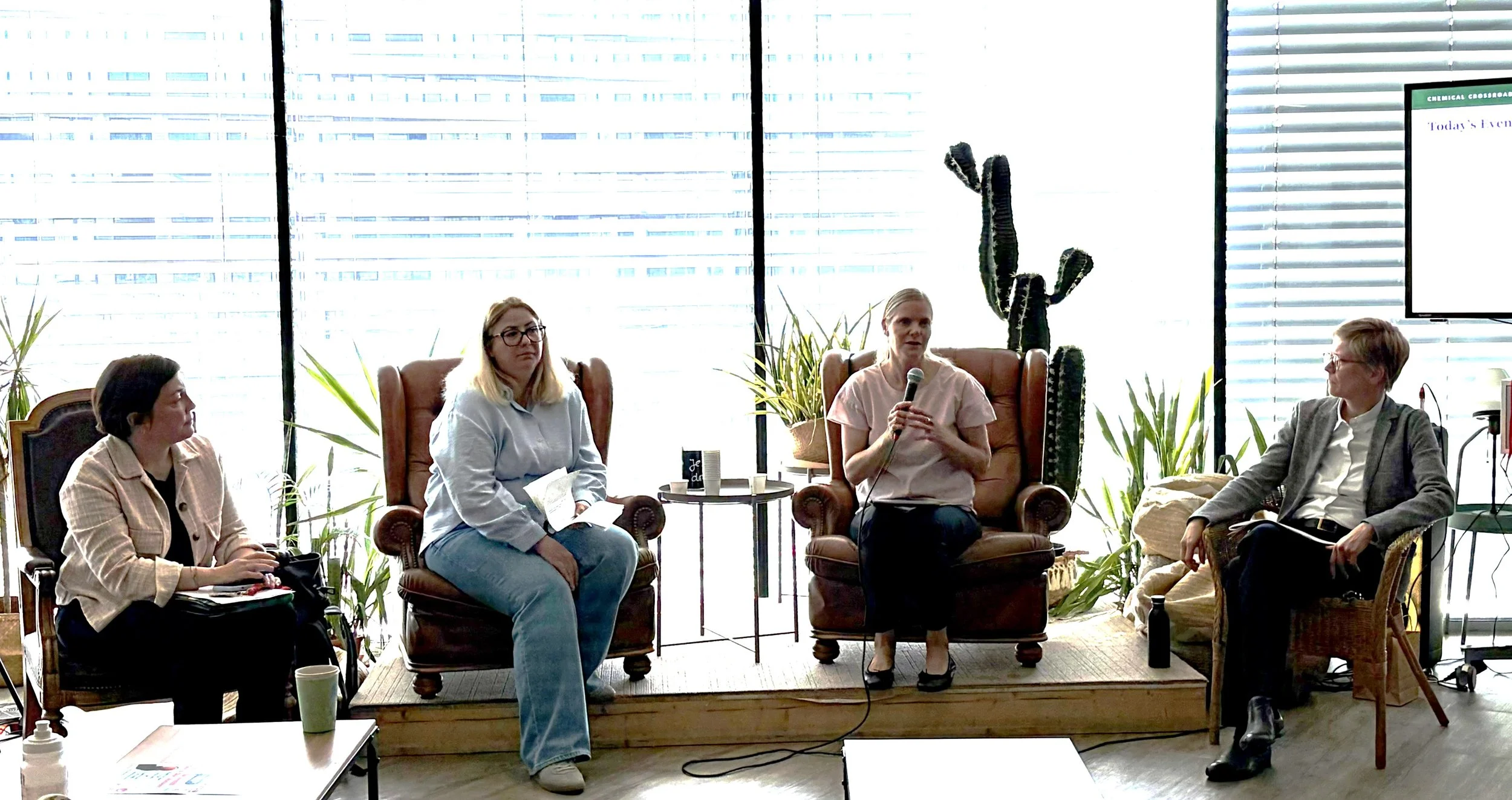
The event began with words of welcome by the project’s Principal Investigator, Professor Amalia Ribi Forclaz. Professor Ribi and Professor Corinna Unger, the Collaborative Partner of the project, introduced the Chemical Crossroads project to the audience, explaining the main research interests and highlighting the potential and the limitations of working with archival sources. They then engaged in a conversation with two practitioners who had kindly agreed to participate in the event: Lina Fortelius, Programme Management Officer at the Science and Technical Assistance Branch in the Secretariat of the Basel, Rotterdam, and Stockholm Conventions; and Mihaela Paun, Programme Management Officer within the Knowledge and Risk Unit at UNEP’s Chemicals and Health Branch – Industry and Economy Division.
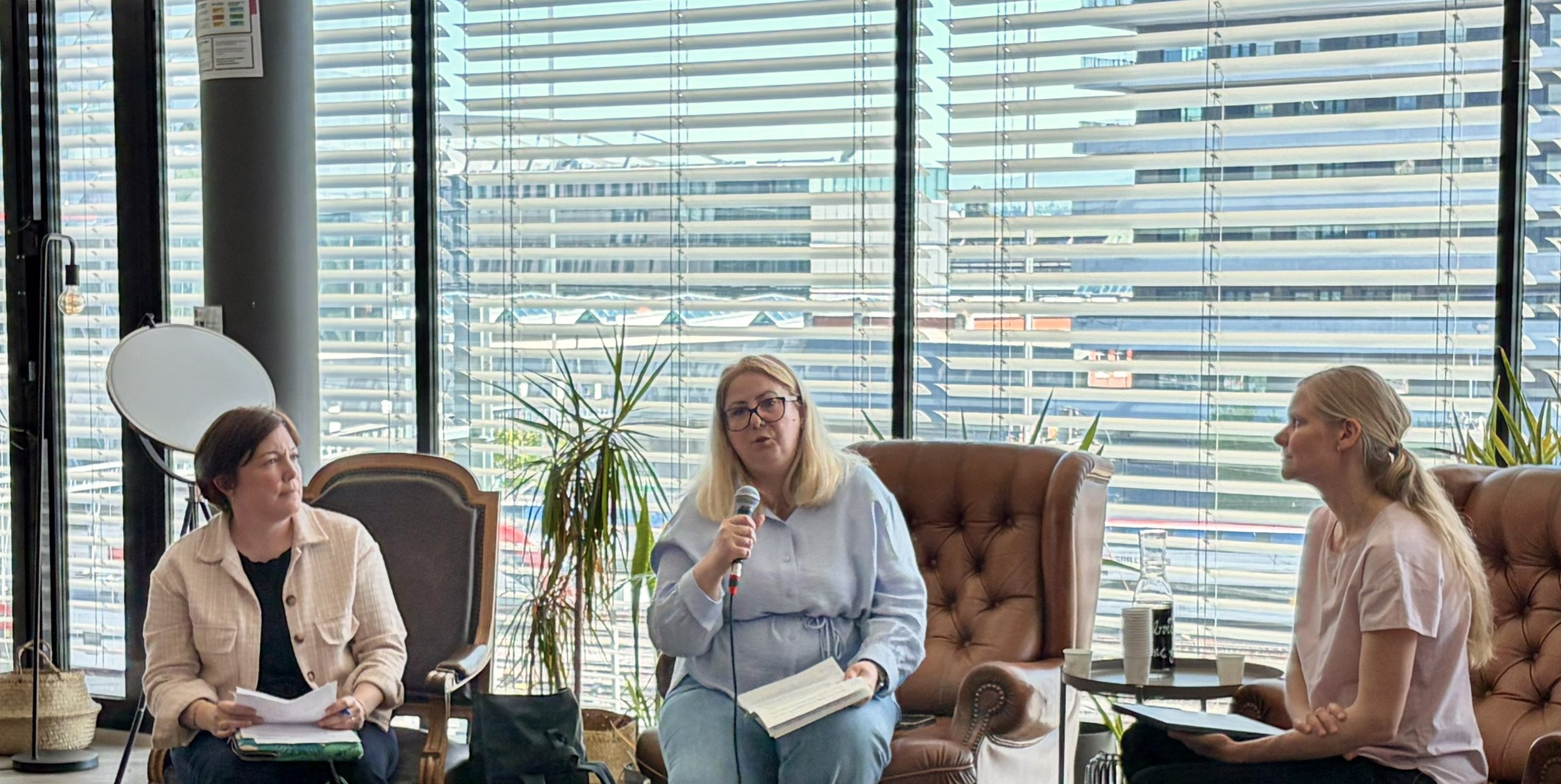
The two experts shared their insight into the world of pesticide regulation. They told the audience about their practical experiences with implementing international conventions and monitoring global pesticide use; about the role of international organizations as mediators between national government representatives, producers, users, and experts; about ongoing international efforts to promote sustainable approaches to agriculture and food production. Questions from the audience complemented the roundtable discussion.
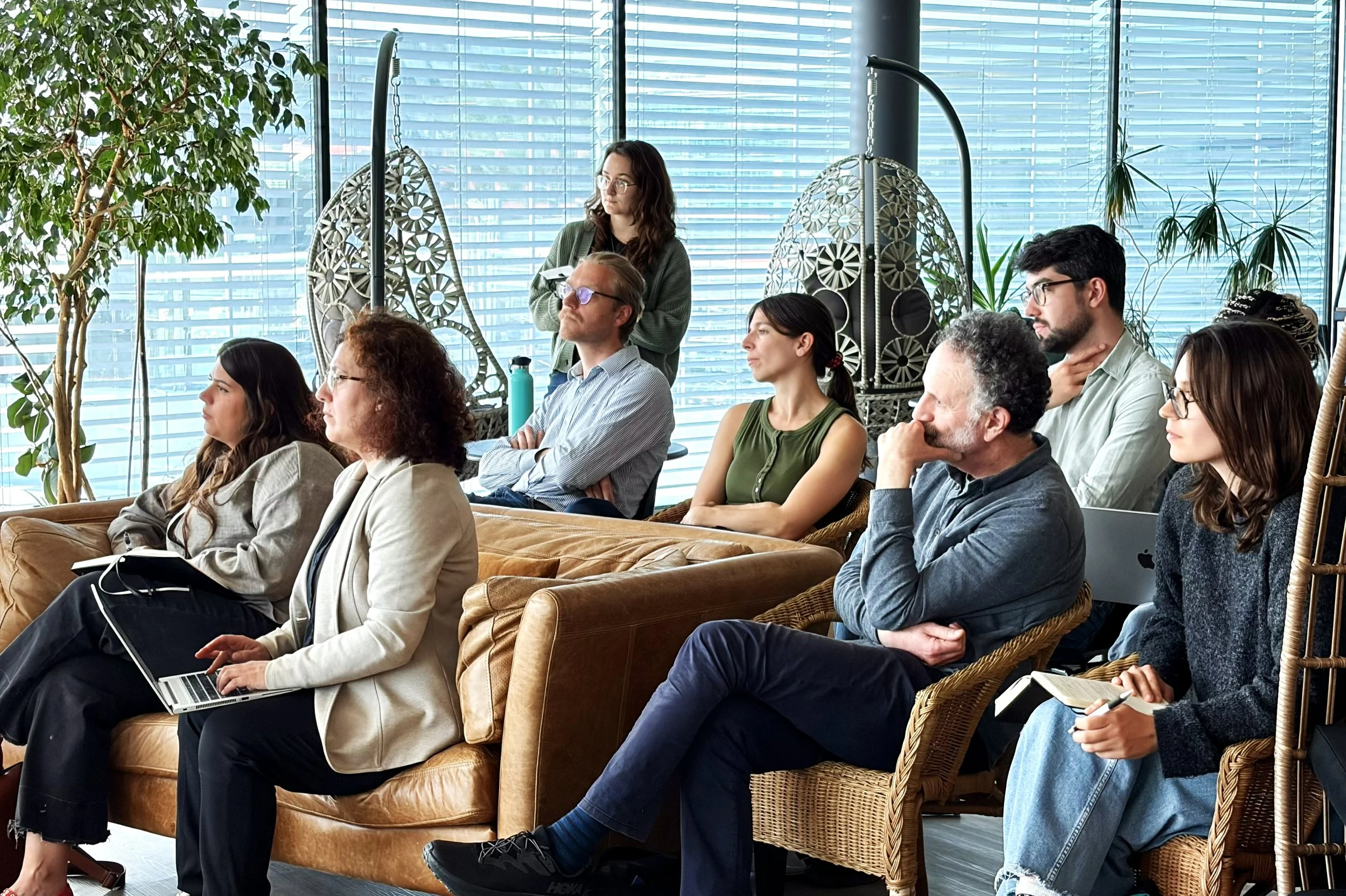
The event made clear how beneficial it can be to bring historical and contemporary perspectives together. Knowing the historical origins of the conventions that are currently being implemented help us understand the regulatory mechanisms on which they rely. Speaking with experts involved in assessing the risks and benefits of synthetic pesticides brings to life some of the debates mirrored in the archival sources. We are immensely grateful to Lina Fortelius and Mihaela Paun for contributing to build bridges between historical scholarship and political practice.